
Empowering Women in Pattoda through Skill Development: The Satgur Teri Oat Trust Initiative
In the rural village of Pattoda, located in Thane, the Satgur Teri Oat Trust is playing a transformative role in uplifting the lives of women who face economic hardships. This Non-Governmental Organization (NGO) is committed to the welfare and empowerment of marginalized communities, particularly focusing on giving women the skills and opportunities needed to become financially independent. One of its most impactful programs has been the provision of sewing machines to unemployed women, offering them not just a tool, but a pathway to financial stability and a brighter future.
The Situation of Women in Pattoda
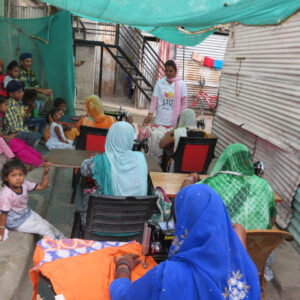
Pattoda, like many rural areas in India, struggles with poverty, limited access to education, and a lack of economic opportunities, especially for women. For many women in the region, the traditional roles of homemaking and child-rearing often limit their chances to explore personal growth, earn an income, or contribute meaningfully to the household. These women face numerous social and financial challenges, and their lack of vocational skills often makes them dependent on others for their livelihood.
In a society where gender roles are deeply entrenched, women are often relegated to a secondary position, and their potential goes untapped. In such a context, organizations like the Satgur Teri Oat Trust are playing a crucial role in breaking down these barriers and creating new avenues for women to assert their independence.
The Vision of Satgur Teri Oat Trust
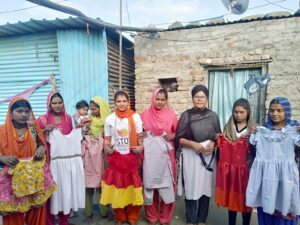
Founded with the aim of improving the lives of marginalized communities, the Satgur Teri Oat Trust focuses primarily on women’s empowerment, community development, and poverty alleviation. The Trust recognizes that empowering women is key to transforming not only individual lives but also entire communities. By providing women with the necessary tools and skills to support themselves financially, the Trust helps build a more inclusive, resilient society.
The Trust’s overarching goal is to provide opportunities for sustainable livelihoods, enabling women to step out of the cycle of poverty and dependence. Their flagship initiative, the sewing machine distribution program, serves as a powerful tool to help women achieve financial independence and personal growth.
The Sewing Machine Program: A Step Toward Self-Reliance
One of the key ways in which the Satgur Teri Oat Trust has impacted the lives of women in Pattoda is through its sewing machine distribution program. This initiative is designed to help unemployed women gain valuable skills that will allow them to earn an income, not just for their own benefit but for their families as well.
The sewing machine program is a straightforward yet incredibly effective way of empowering women. Here’s how it works:
1. Identifying and Training Beneficiaries
The Trust begins by identifying women in Pattoda who are unemployed and are seeking a way to support themselves and their families. Many of these women have no formal education or vocational training and are limited in their ability to find work. The Trust selects women who show potential and a willingness to learn new skills.
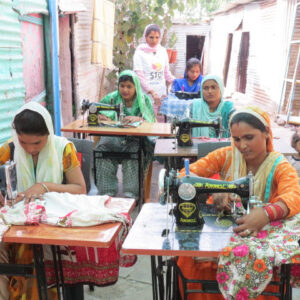
Once selected, the women undergo a comprehensive training program. This training includes basic sewing skills, such as stitching, embroidery, and garment construction, as well as more advanced skills like designing and tailoring. The training is hands-on and personalized, ensuring that each participant can master the necessary techniques before receiving their own sewing machine.
2. Providing Sewing Machines and Materials
After successfully completing the training, the women are provided with sewing machines that they can use in their homes. This ensures that they can work at their own pace and balance their responsibilities at home with earning an income. The Trust also provides initial material support, such as fabric and threads, to help women start their sewing businesses.
The provision of the sewing machine is more than just giving away a piece of equipment; it’s a powerful tool for financial independence. With the sewing machine, women can now take up a variety of work, such as stitching garments, altering clothes, making school uniforms, or even creating custom-designed clothing. Over time, many women have been able to build their own clientele, offering tailoring services to neighbors and local businesses.
3. Continuous Support and Market Linkages
The Trust doesn’t stop at providing training and sewing machines; it also provides continuous support to ensure that women are able to turn their new skills into a viable income-generating activity. This includes helping the women access local markets where they can sell their products, promoting their work through local networks, and offering advice on business development.
In some cases, the Trust has helped women form small cooperative groups, where they can share resources, ideas, and opportunities for bulk work. This collective approach allows them to undertake larger projects, increase their income, and enhance their skills through collaboration.
Transformative Impact on Women’s Lives
The sewing machine program has brought about profound changes in the lives of women in Pattoda. Here are some of the key benefits that women have experienced through the initiative:
1. Financial Independence
The most immediate and tangible impact of the sewing machine program is the financial independence that women have gained. By using their sewing skills, women can now earn money, whether by taking on stitching work, running tailoring businesses, or selling garments. This income gives them the ability to contribute to household expenses, provide for their children’s education, and even save for the future.
2. Increased Confidence and Self-Esteem
Financial independence is closely linked to an increase in confidence and self-esteem. Many women have expressed that they feel more empowered now that they are able to support their families and make independent decisions. This newfound confidence extends beyond the financial sphere, as women who were once marginalized are now seen as contributing members of society. This shift in self-perception is vital in breaking the gender norms that limit women’s roles in society.
3. Improved Social Status
Women involved in the program are no longer seen as passive dependents but as active contributors to their families and communities. Their ability to earn an income has improved their social status, and they are now respected for their skills and hard work. This change in status also benefits their children, as it sends a powerful message about the importance of women’s empowerment and the possibilities available for future generations.
4. Better Educational Opportunities for Children
With the income they generate from sewing, many women are now able to provide their children with better educational opportunities. Education is one of the key factors in breaking the cycle of poverty, and through their earnings, women are helping to secure a better future for their children. This has long-term benefits, as educated children are more likely to pursue their own careers and contribute to the economic development of the community.
5. Entrepreneurship and Community Building
Some women have gone beyond mere employment and have started their own small businesses, expanding their operations by hiring other women or collaborating with local markets. The Trust encourages this entrepreneurial spirit by offering business training, which helps women understand how to scale their operations. Many of the women involved in the sewing machine program are now small entrepreneurs, creating jobs for others and fostering a spirit of collaboration and self-reliance within the community.
Looking Ahead: Scaling the Impact
The success of the sewing machine program in Pattoda has inspired the Satgur Teri Oat Trust to consider expanding the initiative to other rural areas in Thane and beyond. With plans to reach more women, the Trust is working on scaling up its operations by training more instructors, increasing its network of supporters, and forging partnerships with local businesses to create more opportunities for the women involved.
The Trust is also exploring other avenues of support for women, such as financial literacy training, health awareness programs, and leadership development workshops. These complementary programs will further enhance the women’s ability to succeed in their personal and professional lives, ensuring that they remain resilient in the face of challenges.
Conclusion
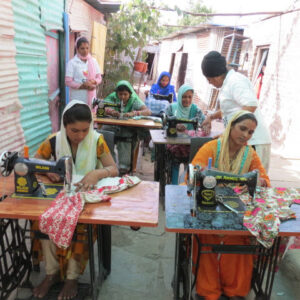
The sewing machine initiative by the Satgur Teri Oat Trust is a powerful example of how skill development and access to resources can transform lives. By providing women in Pattoda with the tools to earn an income, the Trust is not only empowering individuals but also creating a ripple effect that benefits families, communities, and future generations. This program highlights the importance of women’s economic independence and the need for organizations like Satgur Teri Oat Trust to continue their work in creating a more equitable and inclusive society.
The women of Pattoda are no longer just surviving; they are thriving, with the confidence, skills, and opportunities to shape their own destinies. And in doing so, they are proving that when women rise, entire communities rise with them.
